Garden Maintenance in Earls Court
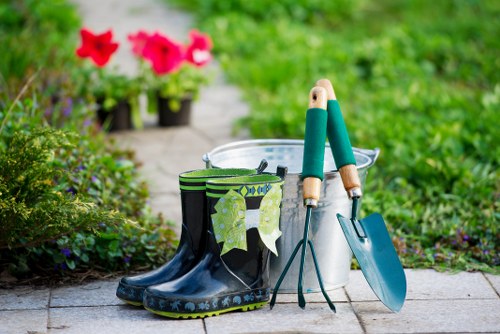
Garden maintenance in Earls Court needs a practical, tidy approach that keeps outdoor spaces manageable throughout the year. Our service covers routine care for front gardens, rear courtyards, shared planting areas and compact urban plots, with attention to mowing, trimming, clearing, pruning and general upkeep. We work with the details that keep a garden looking orderly rather than letting small tasks build up into a larger job that is harder to manage.
If you are dealing with overgrown edges, untidy beds or grass that needs regular attention, the aim is to bring the space back to a sensible standard and then keep it there. A good maintenance plan is not only about appearance; it also helps pathways stay clear, plants stay healthier and the garden remain usable. We focus on the tasks that make day-to-day upkeep straightforward, while keeping the service flexible enough for different property types and garden sizes.
For a clear outline of what can be included, you can browse the services overview or go straight to a pricing and quotes page when you are ready to compare the work you need. If you already know the main tasks, a quick enquiry is often the easiest way to request a quotation.
Routine Garden Care and Seasonal Upkeep
Regular maintenance usually combines several smaller jobs into one visit, which keeps a garden presentable without leaving one area neglected. That can mean mowing lawned areas, edging borders, removing spent growth, clearing leaves, tidying paths and making sure planted spaces are not smothered by excess growth. The aim is consistency: steady work now is often easier and more effective than waiting until everything has become heavily overgrown.
Seasonal upkeep also matters because gardens change through the year. In spring, beds may need clearing and early growth may need shaping. In summer, lawns and hedges can need more frequent attention. Later in the year, fallen leaves, soft growth and weather damage can create a different kind of workload. We can adapt the maintenance approach to the time of year so the garden stays neat, safe to use and manageable for the property owner.
What regular visits can cover
Typical maintenance work may include cutting grass, trimming edges, reducing light overgrowth, lifting debris, weeding selected areas and keeping access routes clear. Where planting has become uneven or untidy, careful cutting back can help restore shape without stripping the garden bare. The main purpose is to maintain a usable outdoor space, not to overwork the planting or remove features that still have a role in the layout. Good maintenance should look controlled rather than drastic.
Hedge Trimming, Border Control and Defined Edges

Hedges and border plants often determine how tidy a garden appears, especially in narrower outdoor spaces where lines are easy to notice. Trimming can prevent hedges from pushing too far across paths or boundaries, while also helping them hold a neater outline. In many gardens, the task is not about cutting everything back hard; it is about keeping growth in proportion to the space and allowing light and access to remain sensible.
Border control is equally important when beds begin to sprawl beyond their intended shape. Re-establishing crisp edges can make a garden feel cared for even when the planting itself is simple. This work may also involve removing stray growth around paving, fences, sheds or containers so the whole plot reads as one maintained space. If you are unsure how much needs doing, it is often helpful to ask for a quotation based on the current condition rather than a guess.
When hedges are part of a boundary, the work needs a measured hand and a careful view of the surrounding space. We aim to maintain shape, reduce excess and leave the plant healthier for future growth where possible. For more formal work, the hedge trimming page gives a useful route into that part of the service, while broader care can still sit within routine garden maintenance.
Lawn Mowing and Grass Care
Lawn care often makes the biggest visual difference in a maintained garden, particularly where the grass sits close to entrances, seating areas or planting beds. Mowing can restore order quickly, but it works best when paired with edging, debris removal and a sensible frequency of visits. Leaving grass too long for too long can make the whole garden feel neglected, even if the rest of the space is in reasonable condition.
Different lawns need different treatment. Some areas are small and compact, others are thin strips between structures, and some have awkward corners that need more attention than the open middle. The right approach may include cutting back uneven patches, shaping the edges cleanly and clearing clippings so the finish looks complete. If you want to compare this with a dedicated turf visit, the lawn mowing page can help narrow the work to that specific task.
On larger or less regular plots, the way the grass is maintained can affect the rest of the garden too. When mowing is neglected, weeds spread more easily, edges blur and access becomes less convenient. A practical maintenance routine reduces that drift and keeps the garden easier to use. Clean edges, level cutting and prompt tidy-up work together to give the lawn a sharper finish without turning the job into a full redesign.
Clearing Growth, Debris and Unwanted Material

Garden maintenance is not only about trimming living growth. It also includes clearing away the material that makes a space feel cluttered, such as leaves, twigs, dead stems, cuttings and general garden debris. In some properties, this is the most important part of the work because it restores access and makes the garden usable again before more detailed care begins. Clearing is especially useful when the space has been left unattended for a while or has gathered seasonal buildup.
There are also occasions when a garden contains unwanted material that goes beyond ordinary green waste. That may include broken plant containers, light debris, abandoned garden clutter or items that have been left in beds and corners. Careful clearing removes these obstacles without disturbing the parts of the garden that should remain. If a space has become difficult to manage, the work can be planned so the key areas are handled first and the more detailed tidy-up follows after.
- Removing loose cuttings and leaf fall
- Collecting small garden debris from beds and paths
- Clearing overgrowth that blocks access
- Tidying corners, edges and undergrowth
Landscaping and Practical Garden Improvements
Some customers need more than routine upkeep and want help improving how the garden functions or looks over time. That is where landscaping support can sit alongside maintenance, particularly when the aim is to make an outdoor space easier to manage. Depending on the garden, this may involve reshaping sections, improving structure, refreshing surface areas or changing the way planting and open space work together. The emphasis remains practical: a garden should be easier to care for once the work is complete.
Smaller improvements can make a useful difference without requiring a full redesign. For example, adjusting borders, improving access around paths or balancing planting against open areas can all help the garden feel more coherent. If the work involves a broader change of layout, it is useful to look at the available options before deciding what level of work is appropriate. Our landscaping page covers that wider category, while maintenance remains the best fit for ongoing care.
When customers are weighing up whether a garden needs upkeep, repair or a more noticeable change, the decision usually comes down to condition and objective. If the space is fundamentally sound but untidy, maintenance may be enough. If the layout no longer serves the property well, a more involved service can be sensible. Either way, the work should be planned around the current garden rather than forcing a one-size-fits-all approach.
Working Safely Around Access, Boundaries and Structures
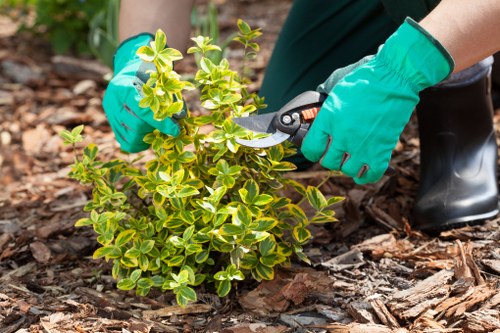
Gardens in Earls Court often have tight access, hard boundaries, shared passageways or built features that need care during maintenance work. Safe handling around fences, gates, sheds, paving and planted borders helps avoid damage and keeps the job efficient. In narrower spaces, the order of work matters: clearing access first can make the rest of the maintenance much easier to complete properly. This is particularly relevant where plants press against walls or where a small courtyard has several fixed features.
H3 Access and preparation
When preparing for a quotation, it helps to describe the garden type, the main tasks you want completed and any awkward access points or structures that may affect the work. Photographs can also be useful if the space is overgrown or if there are several separate areas to consider. This does not need to be complicated; the purpose is to help shape a sensible plan and avoid misunderstandings about the amount of maintenance involved. Clear information supports a clearer quotation, especially where the garden has more than one problem area.
It is also helpful to mention whether the work is a one-off tidy-up or part of a regular maintenance pattern. That can change the order of tasks and how long the job is likely to take. If you would like to compare service options before asking for a quote, the garden maintenance page and the contact us page are useful places to begin the conversation.
About Earls Court
Earls Court is an area in west London associated with the Royal Borough of Kensington and Chelsea and the London Borough of Hammersmith and Fulham, with its name now most commonly linked to the district around Earls Court Road, the Exhibition Centre site and the surrounding streets. The area developed rapidly in the nineteenth century, when rail connections and speculative building transformed former open ground into dense residential and commercial streets. Much of the local character comes from this layered history: stucco terraces, mansion blocks, later infill and a street pattern that reflects urban growth rather than a single planned estate. Earls Court Road remains a key north-south route, while the surrounding streets contain a mix of housing types and small businesses that give the district a busy, lived-in feel. The former Earls Court Exhibition Centre, once one of London’s best-known event venues, shaped the area’s wider identity for decades before its demolition and redevelopment. Nearby, Brompton Cemetery and the open spaces of Holland Park and Kensington Gardens lie within easy reach, while the locality itself is closer to compact urban streets and gardens than large parkland. The area’s transport connections, including the Underground station that gives the district wide recognition, have long influenced its role as a well-connected part of inner London. Today, Earls Court is known for a blend of period architecture, ongoing redevelopment, varied dining and a central-west London location that places it between larger commercial centres and quieter residential streets.
Garden Tidying for One-Off Visits and Regular Schedules
Not every customer wants the same type of maintenance. Some need a one-off visit after a period of neglect, while others want a regular schedule that stops the garden from slipping back into disorder. One-off work is often more intensive at the start because it may include cutting back, clearing and reshaping in a single visit. A regular plan is usually steadier and more predictable, with the emphasis on keeping the garden at a workable level throughout the year.
Choosing between those approaches depends on the current state of the garden and how you want it to be used. A courtyard that is mainly decorative may only need occasional care, while a planted garden with grass, borders and hedges may benefit from repeated attention. If the site has different zones, we can focus on the sections that need the most attention first and make sure the final result is coherent rather than patchy. This is often the most practical way to keep costs and effort in balance.
For a broader look at the service scope, the garden clearance page is useful where the work leans more heavily towards removal and tidying. If the task is primarily about an ongoing upkeep plan, ask for a quotation and explain which parts of the garden matter most to you so the response can reflect the right level of work.
What Affects the Scope of a Quotation

Quotation requests are easier to assess when the scope is described clearly. The main factors usually include the size of the garden, the condition of the growth, the number of separate areas that need attention and whether the job involves ordinary maintenance or heavier clearing. Access, disposal needs and the presence of fixed structures can also shape the work. These details do not need to be written like a checklist, but they do help form a more accurate view of the task.
H3 Planning the work
A sensible plan usually starts with the most visible or most urgent areas, then moves through the rest of the garden in a logical order. That may mean dealing with lawn, edges and access first, followed by borders, hedges and smaller tidy-up tasks. Where the work is more substantial, a phased approach can be easier to manage than trying to do everything in one sweep. It also gives a clearer sense of what is essential and what could wait until a later visit.
If you are ready to move forward, send the details that matter most and request a quotation through the contact us page. If you are still comparing options, the about us page and the services overview can help you decide how the maintenance should be shaped. Either way, the goal is a garden that looks cared for, stays manageable and fits the way you use the space.